Highest quality - Made in Germany
 Years of expertise since 1984
 Certified & Tested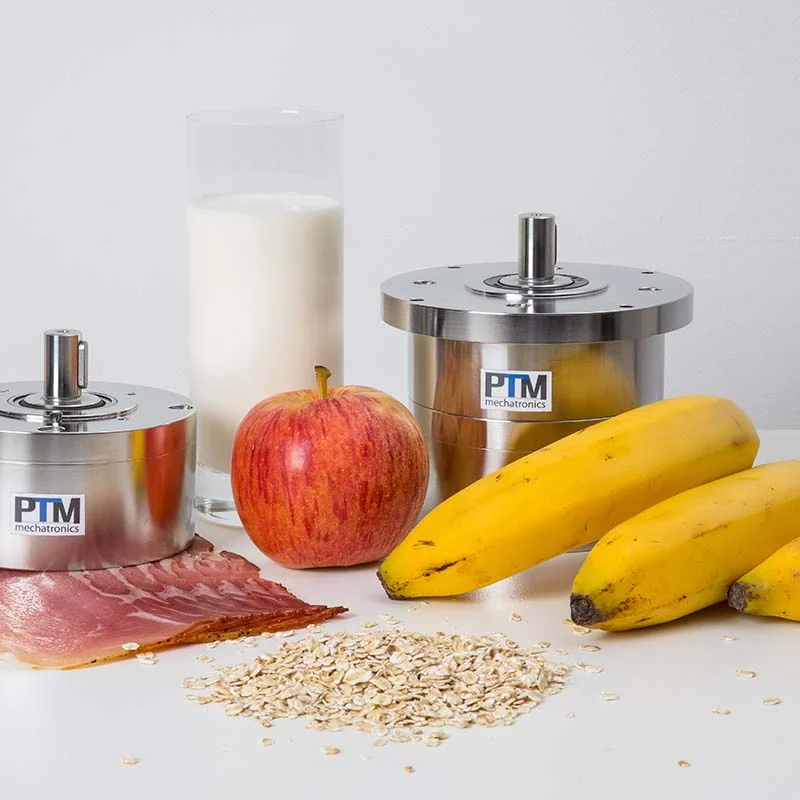
09
Sep
Sep
Systems and machines that are used in the processing of pharmaceutical products or foodstuffs, or generally in hygienically critical environments, must meet certain criteria. These are defined in Europe, at least for the food sector:


Systems and machines that are used in the processing of pharmaceutical products or foodstuffs, or generally in hygienically critical environments, must meet certain criteria. These are defined in Europe, at least for the food sector:
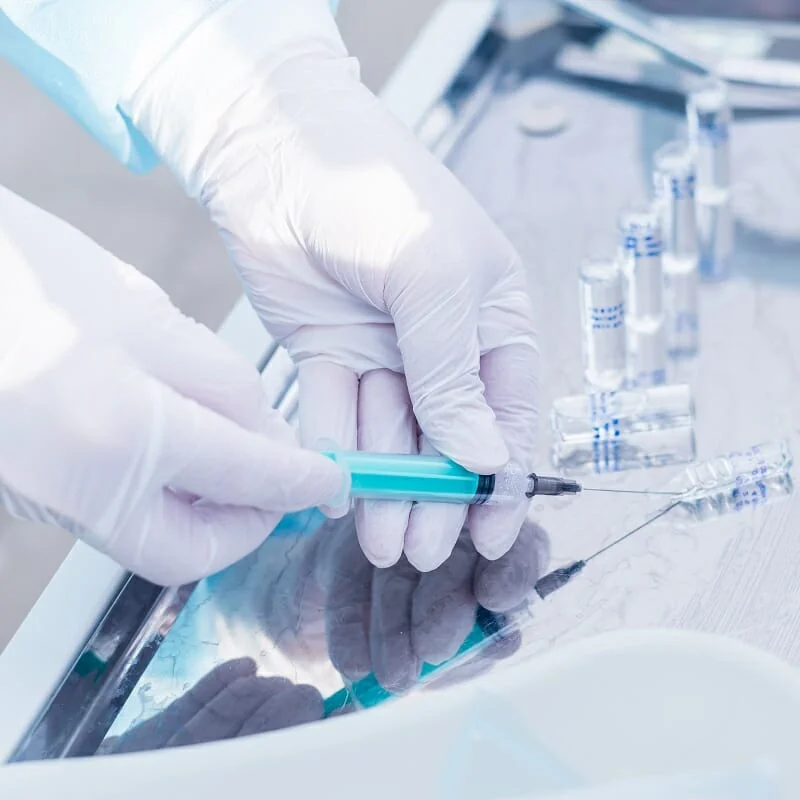
A cleanroom is a particularly clean environment, such as is required for scientific research or for the manufacture of sensitive products in the fields of medical technology, optics or semiconductor production. A cleanroom is measured by the contamination caused by foreign particles per room volume. There are several gradations depending on the number of particles.

Manufacturers of liquids or powders supply their products in standardized containers of different sizes and shapes. Typical container categories are the hobbock, the drum and the intermediate bulk container (IBC).
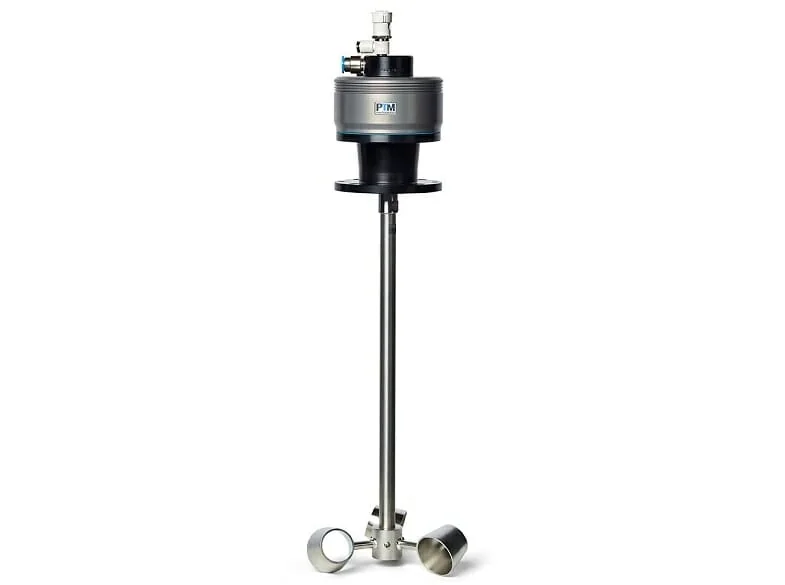
An agitator is a machine for stirring liquids or solids, as used in particular in the industrial production of foodstuffs, pharmaceuticals, cosmetics, paints, varnishes, adhesives and other liquids and mixtures.

What is the DGUV? The German Social Accident Insurance is the umbrella organization of the industrial employers' liability insurance associations and the public sector accident insurance institutions. The German Social Accident Insurance supports employers, managers and safety officers in communicating numerous occupational safety topics. DGUV and agitators As the DGUV is concerned with the prevention of accidents at work within its area of activity, safety requirements for various areas of [...]
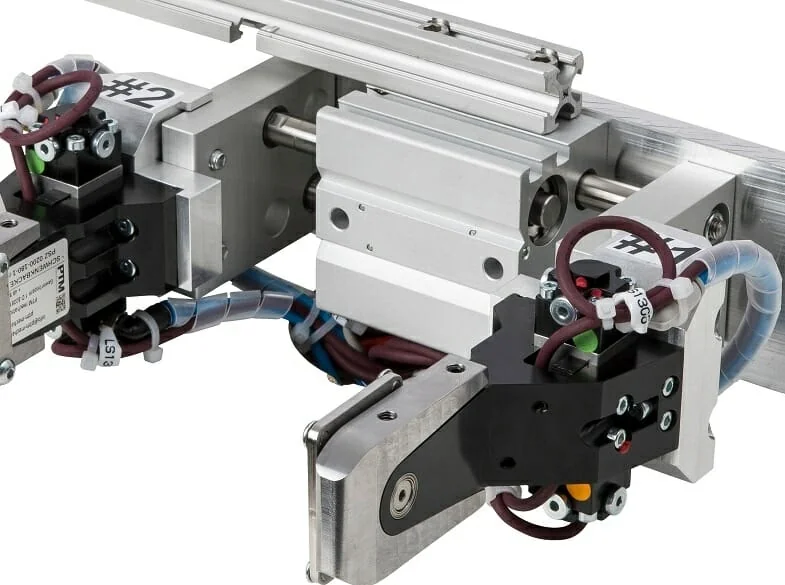
To ensure that electronic devices function correctly and execute the right command in every situation, they need a control system. The classic wiring of cables and switches, the programmable logic controller (PLC), is increasingly being replaced by the programmable logic controller (PLC)...
In stirring technology, there are generally two types of flow that are decisive for the stirring process and must be taken into account accordingly: laminar and turbulent.
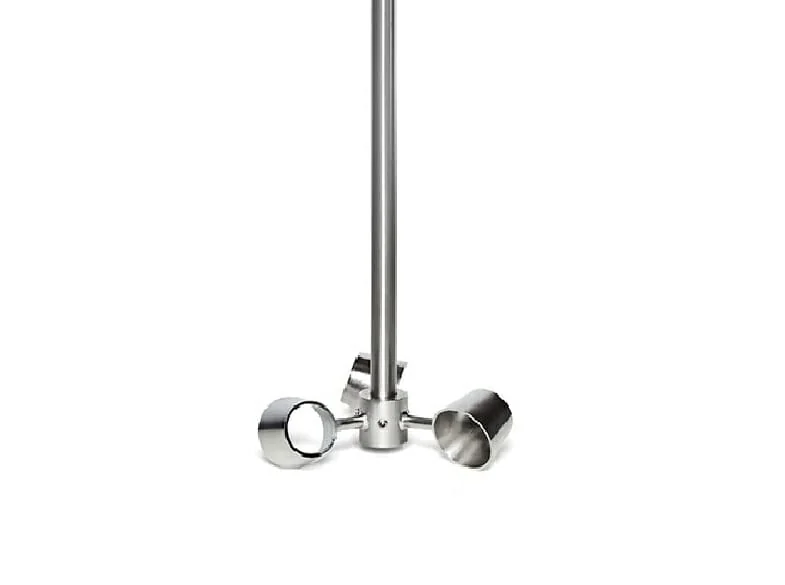
What is a flow profile?
Agitators generate movement through rotation. The particles of the agitated substances are transported in a certain way and move through the container in patterns. These patterns are generated, not exclusively, but significantly, by the shape, structure, number and size of the agitating elements. These flow patterns of the agitating elements are called flow profiles.
There are generally three different flow profiles: axial, radial and tangential.
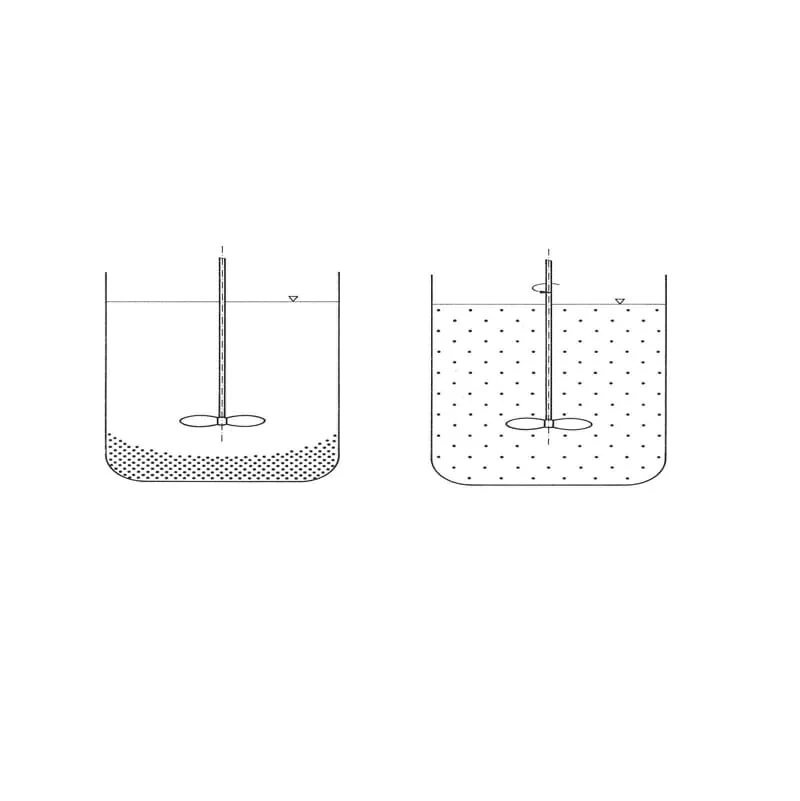
Suspension is the process of dissolving solids in a liquid. The result, i.e. the liquid with finely dispersed solids, is called a suspension. If a suspension is left to stand, the components separate again, the solids with a greater density than the liquid sink back to the bottom and form a sediment.